
10 Leading IT Consulting Firms in Singapore: Protecting Your IT Infrastructure with System Audits
A system audit is a thorough evaluation of an organization’s IT infrastructure, designed to identify vulnerabilities, assess performance, and ensure compliance with regulatory standards. It helps businesses safeguard sensitive data, optimize system performance, and reduce the risk of cyberattacks.
A system audit typically involves two key components: vulnerability assessment and penetration testing. A vulnerability assessment identifies weaknesses in your systems, such as outdated software or poor access control, while penetration testing simulates real-world attacks to determine how easily those weaknesses could be exploited. Together, these components provide critical insights that support effective security incident management—ensuring that threats are detected and addressed before they lead to a breach. For businesses looking to protect their IT infrastructure, regular system audits are an essential part of a proactive cybersecurity strategy.
Ensure your business is secure and compliant—conduct a system audit today. Explore our directory of top IT consultants in Singapore to find the right partner.




How to Select System Audit Services That Ensure Increased Efficiency in Business Operations
With the increasing prevalence of cyber threats, regular system audits are essential for businesses to safeguard sensitive data, maintain regulatory compliance, and optimize system efficiency. In fact, companies that fail to conduct regular risk assessments can leave themselves vulnerable to cyberattacks, data breaches, and operational disruptions. A system audit helps identify potential security flaws and ensures that processes align with business objectives and industry standards.
Two key components of a system audit are vulnerability assessments and penetration testing, which evaluate both internal weaknesses and external threats. In Singapore’s highly regulated environment, adhering to security compliance through regular audits is critical for protecting both your reputation and your bottom line.

What is a System Audit?
A system audit is a comprehensive evaluation of an organization’s IT infrastructure, processes, and security measures. Its primary objectives are to assess the effectiveness of the system’s controls, ensure data integrity, and identify any potential vulnerabilities that could expose the business to risks. By performing a system audit, businesses can ensure that their IT systems are operating efficiently, securely, and in compliance with relevant standards and regulations.
System audits can be divided into two main categories: internal audits and external audits. Internal audits are conducted by the organization’s own team to assess compliance and performance from within, while external audits are performed by independent third parties to provide an unbiased assessment of the system’s security and effectiveness. Both types of audits are important for ensuring the ongoing reliability and security of an organization’s IT systems.
Key Components of a System Audit
One of the key components of a system audit is the security audit trail, which tracks all activities within the system, including user actions, access control changes, and system modifications. The audit trail provides crucial information for tracing potential security breaches or instances where the system fails to meet specified requirements, such as compliance standards or internal policies.
Another key element is the access control review, which ensures that only authorized personnel have access to sensitive data and systems. This evaluation identifies weaknesses in user permissions and areas where unauthorized access could occur. Auditors also rely on established audit criteria, incorporating applicable elements relevant to the industry and regulatory requirements. These applicable elements provide a clear framework for evaluating the system against defined standards.
Ultimately, the goal of a system audit is to thoroughly assess the strengths and weaknesses of the system, highlighting areas for improvement. Whether through internal or external audits, this process ensures that the management system remains secure, efficient, and compliant with industry standards.

Vulnerability Assessment: Identifying Weaknesses in Your System
A vulnerability assessment is a critical part of any system audit, designed to identify weaknesses and potential security gaps within your IT infrastructure. This process helps businesses detect vulnerabilities before they can be exploited by cybercriminals or even internal threats. By performing regular vulnerability assessments, businesses can take proactive steps to strengthen their defences and protect their sensitive data and systems from harm.
What is a Vulnerability Assessment?
A vulnerability assessment involves a systematic review of your IT infrastructure, including the management system, to identify potential security risks. This process typically employs a variety of techniques, such as vulnerability scanning, network mapping, and password cracking tests. These methods enable auditors to uncover weak points in your network, applications, and devices that could be exploited by hackers or malicious insiders.
Common Techniques Used in Vulnerability Assessments
Vulnerability Scanning: One of the most important steps in a vulnerability assessment is vulnerability scanning. This automated process scans your systems for known vulnerabilities, such as unpatched software, outdated configurations, or misconfigurations in network devices. Vulnerability scanners compare your systems against a database of known vulnerabilities, flagging potential security issues that need to be addressed.
- Network Mapping: Network mapping helps auditors understand how different components of your IT environment are connected. By visualizing the relationships between servers, devices, and network segments, auditors can identify weak points in the system architecture. This is especially important for businesses with complex networks, as it allows for a more targeted evaluation of areas that may be at risk.
- Password Cracking: Weak or easily guessable passwords are a common security vulnerability. During a vulnerability assessment, auditors may use password cracking techniques to test the strength of your organization’s password policies. This helps ensure that your systems are protected by strong, unique passwords, reducing the likelihood of unauthorized access.
Addressing Internal Threats
While external threats often receive the most attention, internal threats can be just as dangerous. Employees, contractors, or other insiders with access to your systems may accidentally or intentionally compromise your security. A thorough vulnerability assessment will review access control policies, monitor user behaviour, and identify potential risks stemming from within the organization.
The Importance of Regular Assessments
Vulnerability assessments should not be viewed as a one-time task. As technology evolves, new vulnerabilities emerge, and businesses need to regularly reassess their systems to stay ahead of potential threats. By conducting frequent vulnerability assessments, businesses can maintain a robust defence strategy, protecting their data and systems from the ever-changing landscape of cybersecurity risks.
Penetration Testing: Simulating Real-World Attacks
Penetration testing is a crucial part of a comprehensive system audit, designed to simulate real-world cyberattacks on your IT infrastructure. Unlike a vulnerability assessment, which identifies potential weaknesses, penetration testing actively attempts to exploit these vulnerabilities to determine how easily an attacker could breach your systems. By mimicking the tactics used by hackers, penetration testing provides businesses with valuable insights into their security posture and identifies areas that require immediate attention.
How Penetration Testing Works
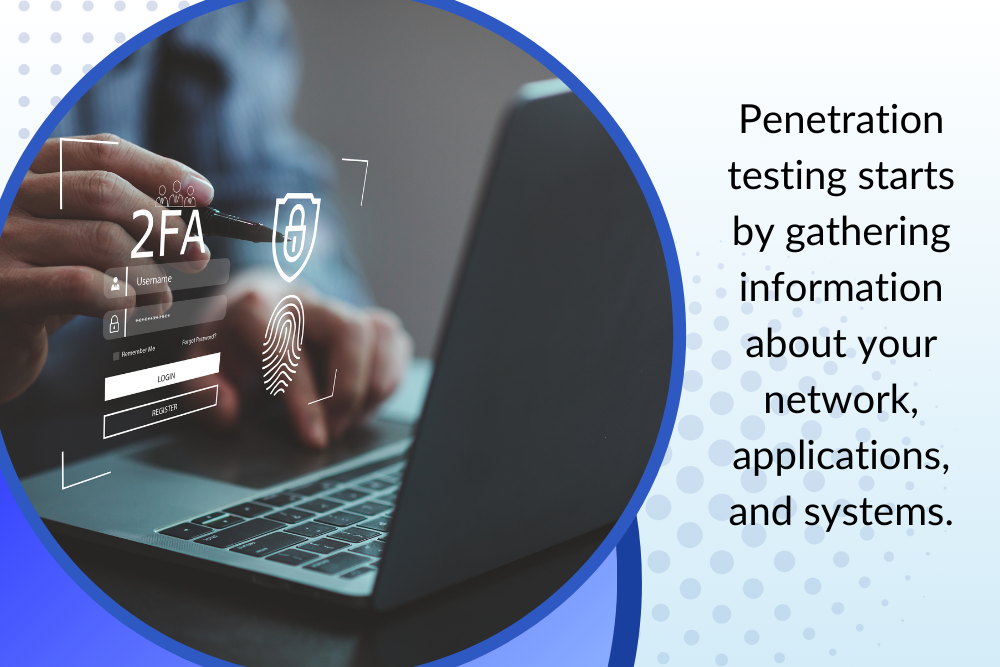
The penetration testing process begins with gathering information about your network, applications, and systems. From there, security professionals, known as penetration testers, use a variety of techniques to attempt to infiltrate your defences. These techniques range from social engineering attacks to more technical methods like network sniffing and brute force attacks.
- Brute Force Attack: A brute force attack is one method used during penetration testing. It involves systematically attempting to guess passwords or encryption keys by trying every possible combination until the correct one is found. This tactic helps auditors determine if your password policies and encryption measures are strong enough to withstand such attacks.
- Network Sniffing: Another common technique used in penetration testing is network sniffing, which involves intercepting and analysing network traffic to gather information. Penetration testers use this technique to identify sensitive data traveling across the network, such as login credentials, and to detect weaknesses in encryption protocols.
Identifying the Impact of Successful Attacks
Penetration testing also involves simulating the consequences of a successful attack. For example, testers might deploy malware analysis techniques to see how well your systems can detect and respond to malicious software. By analysing how your IT infrastructure handles these threats, businesses can identify gaps in their security measures and develop stronger incident response plans.
The Value of Penetration Testing
One of the most significant benefits of penetration testing is the audit evidence it provides. After the testing phase, auditors document their findings, showing exactly how attackers could exploit your vulnerabilities and what the impact would be. This audit evidence serves as a clear roadmap for businesses to strengthen their security, offering practical recommendations to fix identified issues.
Penetration testing is a proactive approach to cybersecurity, allowing businesses to stay ahead of potential threats by identifying and addressing weaknesses before real attackers can exploit them. By regularly conducting penetration tests, organizations can ensure they are well-prepared to defend against the ever-evolving landscape of cyber threats.

The Benefits of System Audits for Businesses
System audits offer numerous advantages to businesses, from strengthening security measures to optimizing overall performance. Here are five key benefits of conducting regular system audits:
Enhanced Security and Data Integrity
System audits play a vital role in identifying vulnerabilities that could compromise your business’s data integrity. Through a thorough auditing procedure, weaknesses in your IT infrastructure—such as outdated software or improper configurations—can be detected and addressed before they result in data breaches. With the increasing threats of ransomware and phishing, having a robust auditing procedure in place is essential to safeguard your data and protect both your business and your customers.
Improved Process Performance
System audits evaluate the efficiency of your business’s IT processes, ensuring that all systems are running smoothly and at optimal performance levels. By analysing system logs, resource usage, and network traffic, the audit report provides actionable insights for improving the management system. Optimizing these processes can result in faster operations, reduced downtime, and enhanced productivity across departments.
Ensured Compliance with Regulations
In today’s regulatory environment, businesses must comply with various laws, such as Singapore’s Cybersecurity Act or data protection guidelines. System audits help ensure compliance by identifying areas where your business may be falling short. Regular audits prevent costly fines and legal complications, as they highlight specific actions needed to meet regulatory standards. The audit report provides the documentation you need to demonstrate compliance to auditors and stakeholders.
Better Incident Response Preparedness
System audits are essential for improving incident response strategies by evaluating how well your current protocols manage security breaches or IT issues. The audit findings offer valuable insights that help businesses not only enhance their incident response plans but also implement preventive actions to address potential threats before they escalate. By taking these proactive measures, companies can reduce the likelihood and impact of cyberattacks, as well as minimize the time required to restore normal operations.
Cost-Effectiveness and Long-Term Savings
By identifying issues early, system audits help avoid the hefty costs of addressing larger problems down the road. Whether it’s reducing the risk of a data breach or improving process performance, system audits ultimately contribute to cost-effectiveness. Investing in regular audits now prevents more expensive interventions later, making it a smart long-term strategy for businesses.
Why Engage an IT Consulting Firm for Your System Audit?
Hiring an IT consulting firm to conduct your system audit provides several advantages that go beyond what an in-house team might offer. With their expertise, specialized tools, and independent perspective, IT consulting firms help businesses achieve a thorough and objective audit process that is tailored to their unique needs.
Access to Specialized Tools and Expertise
IT consulting firms possess specialized tools and advanced technologies that most businesses don’t have in-house. These tools allow auditors to perform in-depth scans of your IT infrastructure, identifying vulnerabilities, performance bottlenecks, and compliance gaps. Consulting firms also bring a wealth of experience in dealing with a variety of industries, which means they understand the specific challenges your business may face. Their technical knowledge ensures that all areas of your system are thoroughly examined and that the solutions provided are up-to-date with the latest cybersecurity trends and best practices.
Objective Third-Party Audit
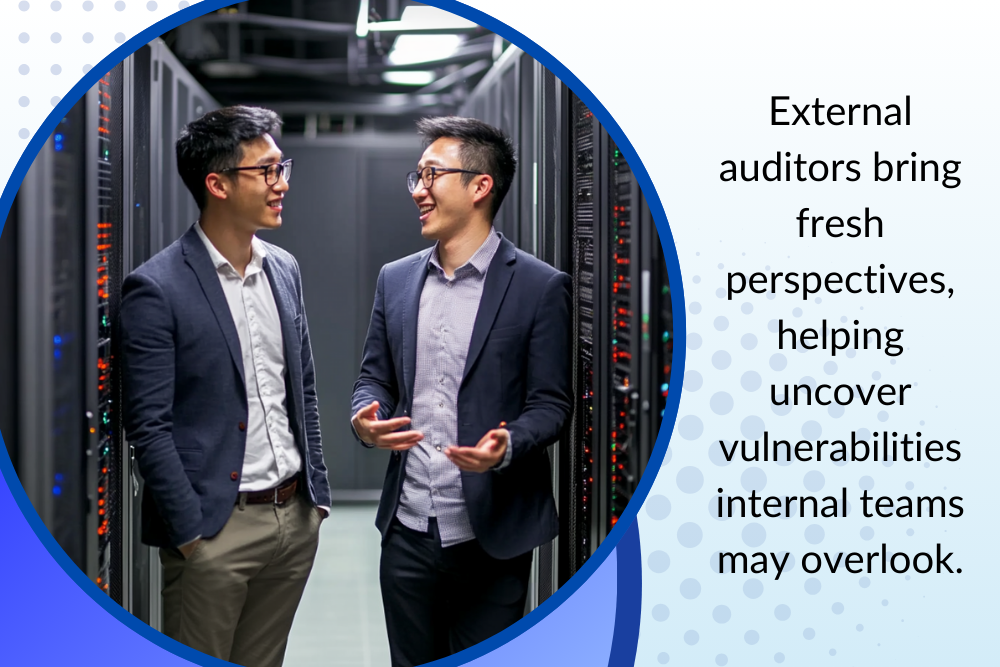
One of the key advantages of engaging a consulting firm is the objectivity they provide through a third-party audit. While internal teams may miss certain issues due to familiarity with the system, external auditors offer a fresh perspective, which ensures that critical vulnerabilities are not overlooked. Unlike a second-party audit, which may be influenced by the interests of a customer or stakeholder, a third-party audit delivers a truly impartial assessment. This independent review reassures stakeholders and regulatory bodies that your business is both compliant and secure, showcasing a commitment to unbiased evaluations.
Comprehensive and Efficient Audit Process
The audit process conducted by IT consulting firms is often more comprehensive and efficient than what most internal teams can manage. External auditors, with their experience in handling complex IT environments, can streamline the entire audit process while minimizing disruption to your business operations. They also provide clear documentation, including detailed audit reports, offering your business actionable insights for improvement.
Tailored Solutions for Your Business
Consulting firms tailor their services to meet the specific needs of each audit client. Whether it’s identifying vulnerabilities in the network or ensuring compliance with industry regulations, these auditors adjust their approach to the client’s unique IT environment. This customization ensures that the audit focuses on the client’s most critical concerns and delivers practical, effective recommendations for improvement.
Singapore’s Cybersecurity Landscape: Staying Compliant and Secure
Singapore’s digital transformation has made it one of the most technologically advanced countries in the world. Businesses of all sizes must be proactive in securing their IT infrastructures to protect sensitive data and comply with the country’s regulatory requirements.
Cybersecurity Threats in Singapore
Cybersecurity threats in Singapore have been on the rise, with an increasing number of businesses falling victim to cyberattacks. From data breaches to ransomware, these attacks can lead to severe financial losses, reputational damage, and legal liabilities. As cybercriminals become more sophisticated, the methods they use to infiltrate business systems evolve rapidly. This growing risk makes it critical for businesses to regularly assess and upgrade their cybersecurity measures.
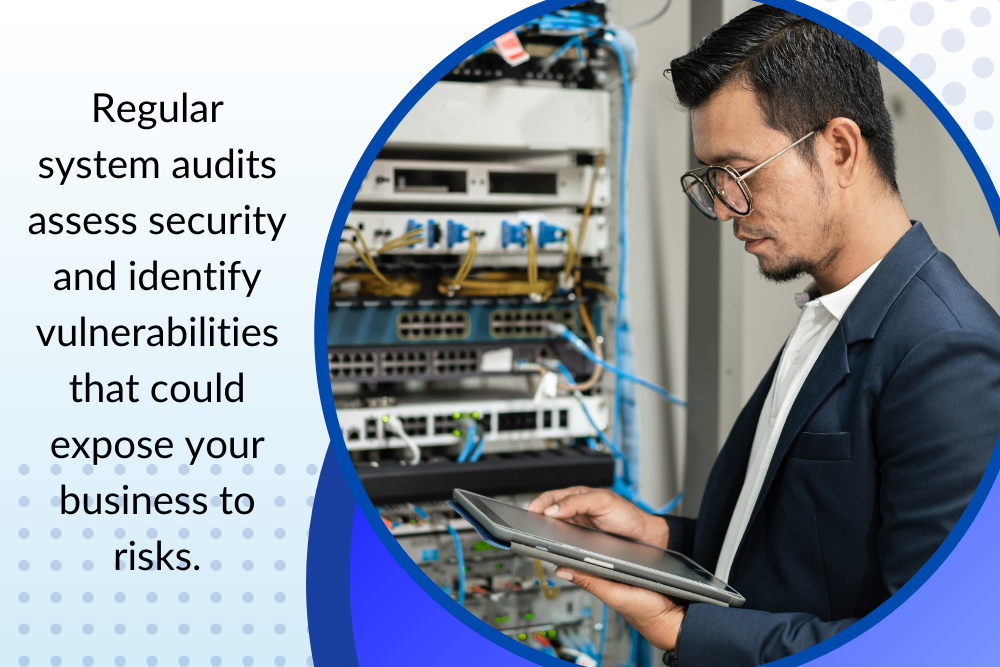
A key way to ensure that your business is well-protected is through regular system audits. These audits not only assess your current security posture but also identify vulnerabilities that could expose your business to potential threats.
Regulatory Requirements and Compliance in Singapore
To protect its digital economy, Singapore has implemented stringent cybersecurity laws and regulations. The Cybersecurity Act serves as the cornerstone of the country’s cybersecurity framework, requiring businesses that manage critical information infrastructure (CII) to comply with specified requirements. These businesses must ensure their systems are secure and properly maintained, often undergoing regular compliance audits to verify their adherence to these requirements and ensure ongoing regulatory compliance.
In addition, businesses that handle personal data must comply with the Personal Data Protection Act (PDPA), which outlines how companies should collect, use, and safeguard personal information. Failure to verify conformance with these regulatory requirements can lead to substantial fines and penalties. This underscores the importance of conducting regular system audits and compliance audits to ensure conformance and avoid costly legal repercussions.
Staying Ahead with System Audits and Follow-Up Actions
System audits are crucial tools for businesses to not only stay compliant but also secure in Singapore’s competitive and highly regulated market. A comprehensive system audit assesses your entire IT infrastructure, evaluates its security measures, and ensures that it meets regulatory requirements. But conducting an audit is just the beginning. Follow-up actions are equally important to address any issues uncovered during the audit.
A compliance audit often reveals gaps that need immediate attention, such as outdated software, weak access controls, or misconfigurations in security settings. After these findings are documented, the next step is to implement the necessary changes to bring your system up to standard. Scheduling a follow-up audit after these corrections ensures that all vulnerabilities have been addressed and that your system is in full compliance with Singapore’s cybersecurity laws.
Ensure your business stays secure and compliant by conducting a comprehensive system audit today. Protect sensitive data, identify vulnerabilities, and meet regulatory standards with expert guidance. Explore Becozon’s directory of top IT consulting firms in Singapore to find professionals specializing in vulnerability assessments, penetration testing, and cybersecurity solutions tailored to your needs. Take proactive steps to safeguard your business now!
Latest Becozon Offer
Boost your business with these exclusive deals by our esteemed Becozon partners

Here's How Companies Adopt
Hybrid Work Post-COVID
Looking for a CRM software?
Get customisable, cloud-based sales and operations CRM software suitable for any industry. Contact us for a demo today!
Contact Us